
Local flatbed planning
Cardiff, Cardiff sits within Cardiff and Wales. For flatbed hire, that local identity matters because similarly named places, neighbouring towns and local authority boundaries can otherwise create unclear coverage.
Light flatbed work in Cardiff
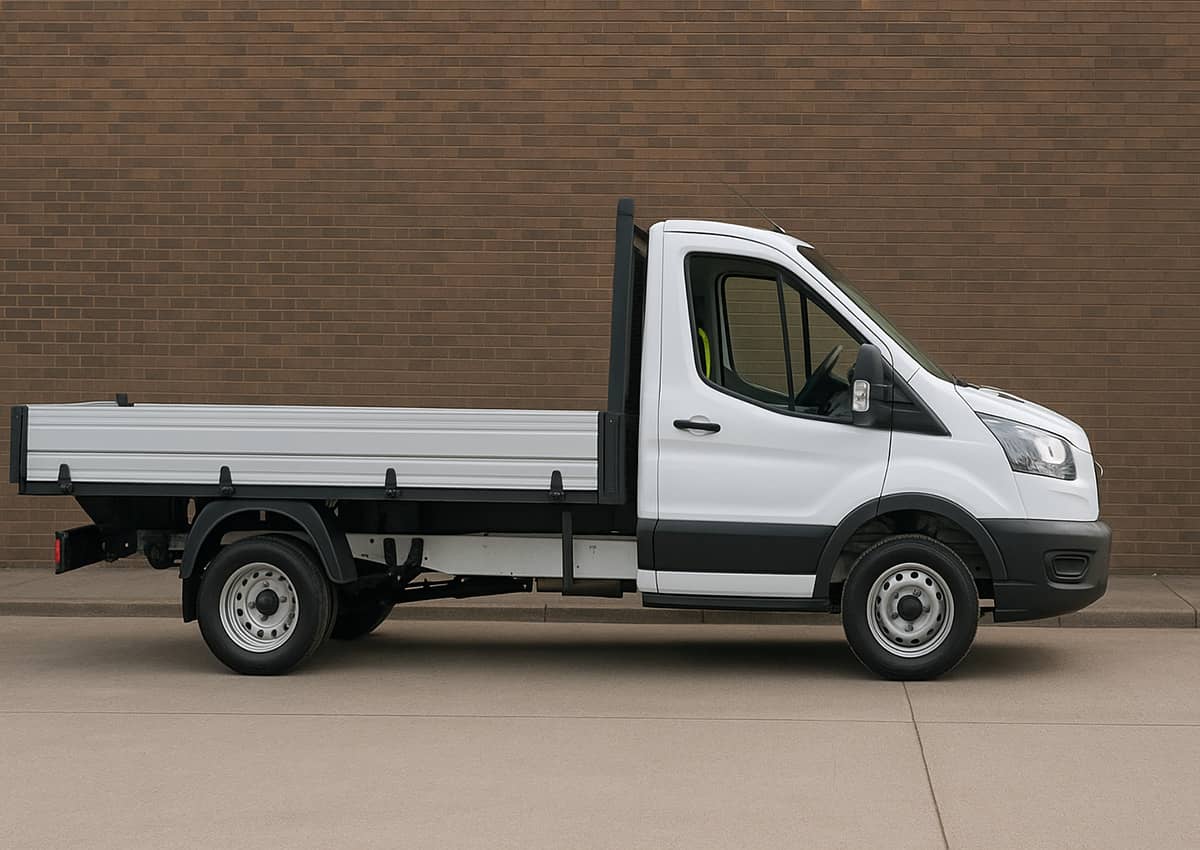
A 3.5 tonne flatbed suits the enquiries where access and handling are the bigger problem than gross load size: fencing, boards, tools, scaffold planks, compact machinery, garden materials and small pallet runs. Around Cardiff, the quote should confirm bed length, side access and safe standing space before the vehicle is reserved.
When to ask about a 7.5 tonne flatbed
When a Cardiff shipment points toward a 7.5 tonne dropside, check the route and site plan along with payload. Confirm the driver's class, deck access, unloading space and any vehicle restriction before deciding that a larger body is suitable.
Cardiff trade delivery notes
Local context for Cardiff includes East Moors Rd Business Park Substation, East Moors Business Park, Parklands Industrial Estate, The Timber Yard Industrial Estate, Pilton Hardware and Machine Mart. If your route involves business parks, industrial estates, builders' merchants, construction routes, stations, ports or airports, mention the exact address during the call.
Smaller nearby areas
Nearby starts and delivery points such as Saint Fagans, Penarth, Barry, Newport, Pontypridd, Cwmbran, Rhondda and Pontypool should be named on the call. If a job starts in one of those places and finishes in Cardiff, or the other way round, explain that relationship because it can affect parking, turning space, waiting time and morning delivery windows.
Nearby flatbed hire towns and cities
For jobs crossing the wider area, compare Cardiff with nearby live pages such as Penarth (3.6 miles), Barry (6.6 miles), Newport, Wales (10.7 miles), Pontypridd (10.9 miles), Cwmbran (13.6 miles) and Rhondda (13.8 miles). The right page is usually the one closest to the pickup, return point or main site address.
What to confirm by phone
Cardiff enquiries can involve a varied load and route, so lead with practical facts rather than a vehicle label. Describe pallets, construction materials, steel, timber or machinery; give the length and approximate weight, lifting method, side-access requirement and full journey. The team can consider flatbed, dropside, tail-lift, longer-bed, HIAB/crane or beavertail categories after checking driver and route conditions.
Benefits to confirm
For Cardiff work, make the enquiry about the actual movement rather than the town label: provide each full address, the order of stops and the time the load must be ready. Explain whether goods are palletised, unusually long or awkward to secure, and identify any lift equipment required. With the driver's details and hire dates, the team can review a flatbed category, route conditions and a delivery or collection request. The final choice and terms depend on availability and checks for that journey.
Before the vehicle is reserved
Before committing to a Cardiff vehicle, run through the exact trip with the proposed truck in mind. Check site access, waiting and unloading space, driver eligibility and any route-specific emissions, height, weight, parking or loading controls.